With five off four needed for the biggest upset in cricket history, India have just bullied the umpires into overturning a wide call against Japan. Genuinely disgraceful.
Ben Gardner, Managing Editor, Wisden.com, on X
That was the reaction a lot of cricket writers reached for within minutes of India beating Japan by two runs in Sano. It is also, on the specific point of whether a rule was broken, not quite right — and neither is the quieter version of the story, the one where nothing worth discussing happened at all. Axar Patel bowled a delivery in the final over that was called a wide, Shreyas Iyer and Axar protested to the umpires, and the decision was reversed before the next ball. Two runs later, India had won a match Japan — an ICC associate nation ranked 41st in T20Is — had no business making that close against the reigning T20 World champions.
What follows is what is actually established about that passage of play, what the Laws of Cricket say an umpire is and isn’t allowed to do in that situation, a newer ICC rule that almost nothing written about this match has mentioned, and where the “bullying” framing holds up and where it doesn’t.
What actually happened in Sano
India’s tour of Japan was always going to be a novelty on paper — a full ICC member playing an associate nation for the first time, scheduled explicitly to mark 75 years of diplomatic relations between the two countries and to give both squads a hit-out ahead of cricket’s return at the Asian Games in Aichi-Nagoya. Rain over the Sano International Cricket Ground reduced the one-off T20I to five overs a side before a ball was bowled, which is the detail that turned a friendly curtain-raiser into a genuine boilover.
| Detail | |
|---|---|
| Teams | India v Japan, one-off T20I (Suzuki Cup) |
| Date | Tuesday, 22 September 2026 |
| Venue | Sano International Cricket Ground, Sano, Japan |
| Format | 5 overs a side, reduced for rain |
| Toss | India, elected to bat |
| Result | India won by 2 runs |
| Player of the Match | Shreyas Iyer — 16 off 12 balls |
| Significance | First-ever men’s senior international meeting between the two sides |
Sources: ICC, ESPNcricinfo and Yahoo Sports match reports.
With a target that small, a five-over match was always going to turn on a handful of moments rather than a full innings arc. It turned on more than one.
India’s 32 never looked entirely safe
Batting first, India lost Abhishek Sharma for a first-ball duck, bowled by Japan seamer Charlie Hara-Hinze — an opening act nobody watching would have predicted given Sharma’s reputation as one of the format’s fastest scorers. Sanju Samson (9) and Ishan Kishan (3) followed him back before India had any real momentum, both dismissed inside the powerplay-that-wasn’t — there is no powerplay in a five-over game, only five overs of a Japanese attack that kept finding the pitch’s slower, gripping surface.
Iyer’s 16 off 12 — including the boundary that mattered most, since India managed only two in the entire innings and no sixes at all — was the difference between a defendable total and a token one. He was out to Hara-Hinze in the final over of India’s innings, finishing with figures of 2 for 17 for a bowler most neutral fans had never heard of before that afternoon. India closed on 32 for 4.
Shreyas Iyer was candid afterward about how hard India’s top order found conditions that Japan’s own batters, having grown up on them, read far better.
It was a very difficult wicket to bat on. We saw the openers as well, who are used to scoring runs consistently, not able to gauge the pace of the spin, and I decided when I got in that it’s important that I need to take singles and doubles and rotate the strike as much as possible.
Shreyas Iyer, India captain, post-match presentation
Japan’s chase came down to the final over
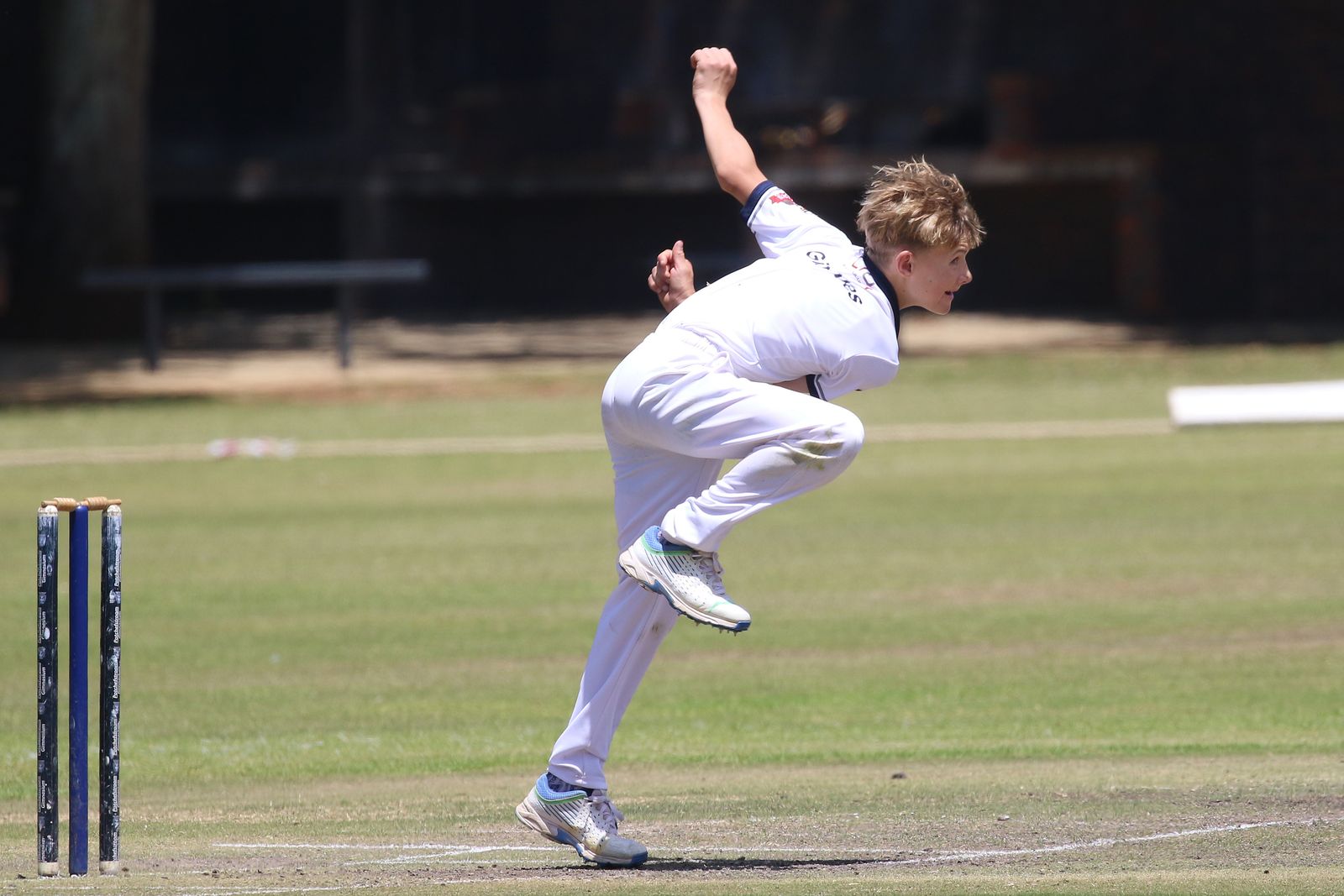
Chasing 33, Japan lost opener Lachlan Yamamoto-Lake to Axar Patel in the very first over, conceding just two runs. Washington Sundar removed Ibrahim Takahashi in the second, then came back to dismiss captain Kendel Kadowaki-Fleming — who had top-scored for Japan with 12 off 12 — with the last ball of the fourth over, finishing with 2 for 13. In between, Japan’s third over produced ten runs between Kadowaki-Fleming and Benjamin Ito-Davis, the passage of play that kept the chase alive rather than letting India pull away.
That left Japan needing 8 runs from Axar Patel’s second over — the last of the match — with two wickets in hand. It is the only over in the game that matters for the rest of this article, so it’s worth laying out cleanly what is and isn’t agreed on about it.
| Over | Bowler | Runs | Wickets |
|---|---|---|---|
| 1 | Axar Patel | 2 | 1 (Yamamoto-Lake) |
| 2 | Washington Sundar | 6 | 1 (Takahashi) |
| 3 | Ravi Bishnoi | 10 | 0 |
| 4 | Washington Sundar | 7 | 1 (Kadowaki-Fleming) |
| 5 | Axar Patel | 5 | 0 |
Reconstructed from ICC, Yahoo Sports and ESPNcricinfo match reports, none of which publishes the full over-by-over in one place. Japan finished 30/3 — two wickets in hand, out of overs, not out of batters.
Two wickets in hand and out of overs is the detail that gets lost in the arguing: Japan didn’t lose because they ran out of batters. They lost because five overs wasn’t enough time to finish what they’d started, and the final over’s ninth ball — the wide call — is the one moment inside it anyone is still discussing a day later.
So what exactly happened on the wide call?
With Japan needing 8 from the over, Alexander Shirai-Patmore came to the crease and, partway through it, shaped up for a reverse sweep off Axar Patel. He missed the ball entirely; it continued down the leg side. On-field umpire Chris Thurgate signalled wide.
Axar reacted immediately, and Iyer — visibly angry, by every account of the moment — came across to remonstrate with Thurgate. Thurgate then conferred with square-leg umpire Chris Brown. The two reversed the call: the delivery was re-ruled legitimate, the run penalty withdrawn, and play continued as though the wide had never been given.
There was no third umpire, no television replay and no Decision Review System available for a bilateral T20I at this level — an associate fixture played at a regional ground, not a broadcast international with the review infrastructure a Bilateral series between two Full Members would carry. Whatever was decided in the middle was decided by two on-field umpires alone, in real time, under a captain’s visible pressure. That combination — no review, a contested call, a visibly unhappy fielding side — is exactly the set of conditions that produces this kind of argument regardless of which way the decision actually goes.
Did Axar Patel and Shreyas Iyer break any rule?
Two separate questions get run together in most of the coverage of this incident, and they have different answers. The first is whether an umpire is allowed to change his mind at all. The second is whether this specific delivery was a wide in the first place. Both matter, and conflating them is where a lot of the "bullying" framing goes wrong.
None of which settles whether Thurgate got the specific judgement call right in real time — reasonable umpires disagree on marginal wides constantly, with or without a crowd of players around them. What it does settle is the narrower legal question: reversing the call, and the specific Law used to justify reversing it, were both within the rules as written. The argument worth having is about umpiring judgement under pressure, not about whether a rule was broken.
The rule almost nobody covering this mentioned
Here is the part of this story that the MCC-Law explainers written in the first 24 hours largely skipped: this wasn’t just an MCC Laws question. It was an ICC-sanctioned T20I, governed by ICC playing conditions — and since October 2025, the ICC has been running a live, six-month trial of a genuinely different wide-ball rule in exactly this format.
It is worth being precise about why this matters here, because it is easy to overstate: the October 2025 trial targets a different batter behaviour than what actually happened in Sano. It was built for batters shuffling defensively across the crease to manufacture a wide against a straight ball, not for a batter moving to play an attacking reverse sweep. The clause that actually covers Shirai-Patmore’s shot is the older "normal cricket stroke" exception in Law 22.1.2, described above — not the new trial. But the trial is the backdrop this incident happened against: an entire live rule-change program, running in this exact format, built around the same underlying tension that produced Tuesday’s argument — where, exactly, a moving batter forfeits the benefit of the doubt on a leg-side delivery. Nobody covering this match connected the two, and it is the most useful context missing from the coverage.
Was India “bullying” the umpires?
The word came from Ben Gardner, Wisden.com’s managing editor, in the post-match minutes, and it spread fast — echoed by fans on social media calling the reversal “shameful,” “disgusting,” and proof India had “bullied” the umpire into a result Japan had “earned.” It is a real, widely shared reaction, and it deserves to be represented accurately rather than dismissed.
It also deserves to be separated from the rules question this article has already answered. Iyer’s conduct — approaching the umpire, visibly angry, immediately after a decision he disagreed with — is a legitimate thing to criticise on conduct grounds, independent of whether the eventual reversal was correct. Plenty of cricket is decided by a captain successfully arguing a marginal call his way, and reasonable observers can find that unedifying, gamesmanship-adjacent, or simply bad sportsmanship without needing the reversal itself to have been against the rules. “This happened, and it looked bad” and “this broke a rule” are different claims, and the reporting since the match has largely run them together.
Japan’s captain, for what it’s worth, spent his own post-match media availability somewhere else entirely — not relitigating a refereeing decision, but processing how close an associate side had come to beating a full member for the first time in either nation’s history.
The fact that we were able to run the best team in the world, in my opinion, to the last ball of a game is pretty special. I’m sure there will be a couple of moments that replay through our minds on the long bus road now to nowhere but, yeah, it’s a feeling of pride at the moment.
Kendel Kadowaki-Fleming, Japan captain, post-match
Why Japan came so close to cricket’s biggest upset
Losing by two runs to India sounds unremarkable until the gap in stature between the two programmes is made explicit. India are the reigning T20 World champions and the No. 1 side in the format by most reckonings. Japan are an ICC associate member, ranked 41st in T20Is, playing their first-ever match against a full member of any kind. The Japan Cricket Association became an ICC affiliate member in 1989 and an associate member in 2005; the national team’s first international fixture of any kind was against Brunei in Kuala Lumpur in September 1996. Thirty years later, almost to the week, they took the world champions to the last ball on their own soil.
Kadowaki-Fleming, Japan’s captain and all-time leading run-scorer, was candid about how unfamiliar the occasion itself was for his side even before a ball was bowled.
Today was a really momentous occasion, in that it was the first time we were able to face a Full Member. They’ve got some world-class spinners, Axar, Washington and Ravi Bishnoi bowling.
Kendel Kadowaki-Fleming, Japan captain, post-match
The Asian Games connection
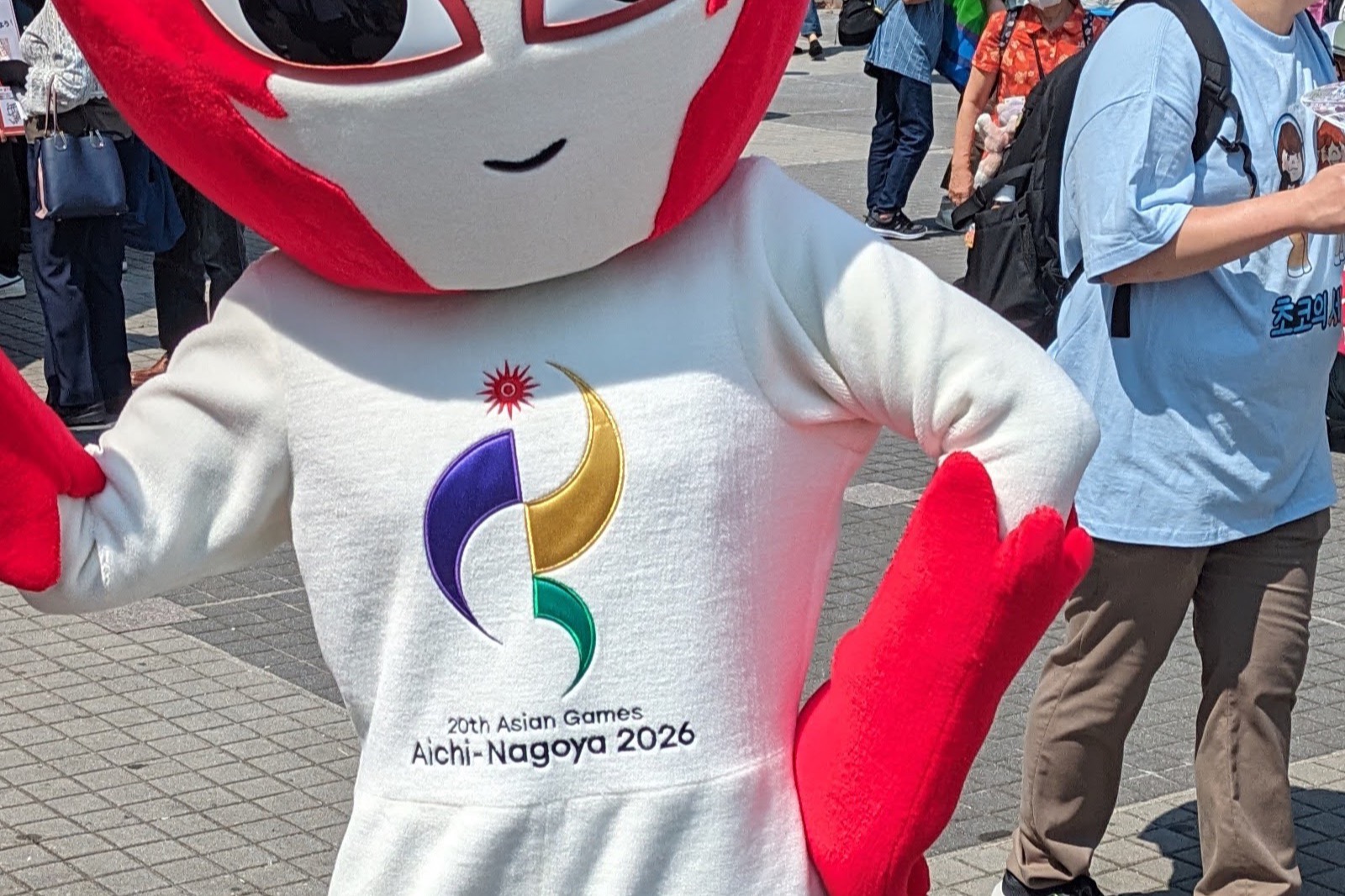
The fixture wasn’t scheduled in isolation. Both India and Japan field cricket teams at this year’s Asian Games in Aichi-Nagoya, where India’s shooters have already won five medals in the competition’s first two days. Iyer himself framed the Sano match as preparation for exactly that: assessing conditions, taking the trip seriously as a "step" rather than a standalone exhibition, before the squad moves on to the Games proper. Read against that backdrop, a near-upset that produces a genuine rules argument is a considerably more useful hit-out than a comfortable, forgettable win would have been — for both sides.
What happens next
Three things worth watching, separate from the argument over Tuesday’s reversal itself. First, the ICC’s wide-ball trial runs for an initial six months from October 2025, which means a decision on whether to write it permanently into white-ball playing conditions is due within the next several months; a controversy this visible, even one the trial didn’t technically govern, tends to sharpen exactly that kind of review. Second, India and Japan are both entered in the cricket competition at the Asian Games in Aichi-Nagoya, which reopens the possibility of a rematch — this time with a continental medal attached rather than a diplomatic exhibition banner, and quite possibly with more scrutiny on every umpiring call than a curtain-raiser ever attracts. Third, for Japan specifically: an associate side that takes a T20 world champion to the last ball tends to get noticed by the sport’s administrators, and Kadowaki-Fleming’s side will want this result to be a floor, not a ceiling, the next time a full member is on the fixture list.
Final Verdict
Strip out the outrage cycle and what actually happened in Sano is fairly ordinary by the standards of tight, umpire-dependent finishes: a contested call, a visibly unhappy fielding captain, a reversal that fell within what the Laws explicitly permit, and a losing side that came away with more credit than the scoreline alone would suggest. None of that required India to have broken a rule, and the available evidence — Law 20.4 on timing, Law 22.1.2 on the "normal cricket stroke" exception, and an ICC wide-ball trial running in the background that nobody else connected to this incident — doesn’t show that they did.
What it does show is a sport still working out, in real time and across two different rule-making tracks at once, exactly how much benefit of the doubt a moving batter deserves on a leg-side delivery — and an associate nation that made the question worth asking by getting agonisingly, historically close to an answer nobody expected.
Frequently asked
- What actually happened with the wide-ball decision in the India vs Japan T20I?
- In the final over, with Japan needing 8 runs to win, umpire Chris Thurgate called a delivery from Axar Patel a wide after Japan batter Alexander Shirai-Patmore missed a reverse sweep. Axar and India captain Shreyas Iyer protested. Thurgate consulted square-leg umpire Chris Brown and reversed the call before the next ball was bowled, re-ruling it a legitimate delivery. India went on to win by two runs.
- Did India break any rule by getting the wide call reversed?
- No. Law 20.4 of the Laws of Cricket explicitly allows an umpire to alter a decision provided the change is made promptly — which this was. Separately, the wide call itself is defensible under Law 22.1.2’s “normal cricket stroke” exception: because Shirai-Patmore had moved to play an attacking reverse sweep, a delivery that would otherwise pass down the leg side isn’t automatically a wide if it was within reach of a normal cricket stroke.
- What does the MCC Law actually say about an umpire changing a decision?
- Law 20.4 states that an umpire may alter any decision provided the alteration is made promptly, with the one limit being Law 20.6, which prevents a dead ball from being revoked. A wide call doesn’t make the ball dead, so reversing it before the next delivery — as happened here — is within the Law.
- Is the ICC’s new wide-ball trial the rule that saved India?
- Not directly. The ICC has been trialling a new wide-ball reference point in ODIs and T20Is since October 2025, aimed at batters who shuffle defensively across the crease to draw a wide. Shirai-Patmore’s movement was an attacking reverse sweep, not a defensive shuffle, so the relevant clause is the older “normal cricket stroke” exception in Law 22.1.2, not the new trial. The trial is the regulatory backdrop this incident happened against, not the specific rule invoked.
- Is the claim that India “bullied” the umpires fair?
- It’s a genuine, widely shared reaction — including from Wisden’s managing editor Ben Gardner — and Shreyas Iyer’s visibly angry approach to the umpire is fair to criticise on conduct grounds. But it’s a different claim from saying a rule was broken: the reversal itself, and the Law used to justify it, were both within what the Laws of Cricket permit.
- What was the final result of the India vs Japan T20I?
- India won by two runs. Batting first, India made 32/4 in their five overs (Shreyas Iyer 16 off 12, Player of the Match). Japan replied with 30/3, falling two runs short despite having two wickets in hand when their overs ran out.
- Has India played Japan in cricket before?
- No — this was the first-ever men’s senior international meeting between the two countries. Japan became an ICC affiliate member in 1989 and an associate member in 2005; their first international match of any kind was against Brunei in September 1996.