England were bowled out for 265 in the first ODI of Sri Lanka’s tour, at the Riverside in Chester-le-Street, after a 28-run middle-order stand between Joe Root and Harry Brook was the only real platform an otherwise jumpy batting order built all afternoon. The story of the day, though, wasn’t England’s batting. It was a 28-year-old Sri Lankan leg-spinner nobody outside domestic cricket had heard of a month ago, playing his first ever international match, taking three wickets — Root’s among them — on a pitch that had promised turn all week and delivered it from over one.
What actually happened to England
England won the toss and batted, on a Riverside surface Test Match Special’s own summarisers had already flagged as slow and likely to keep low before a ball was bowled. Adil Rashid, England’s first-choice leg-spinner and the man most likely to exploit exactly that kind of pitch from the other side, had already been ruled out of the entire series with injury — an absence BBC’s commentary team called potentially “crucial” inside the first hour, before anyone knew Sri Lanka would produce an answer to the same problem England didn’t have.
| Detail | |
|---|---|
| Teams | England v Sri Lanka, 1st of 3 ODIs |
| Date | Tuesday, 22 September 2026 |
| Venue | Riverside, Chester-le-Street, Durham |
| Toss | England, elected to bat |
| England innings | 265 all out, 48.1 overs |
| Sri Lanka innings | In progress — 37/1 after 9 overs, chasing 266 |
| Series context | Follows a 3-0 England sweep of the T20I leg of this tour |
Sri Lanka figures as of 9 overs into the chase; see the live-status note above.
England’s innings never really found a gear. Tom Banton was bowled early by Asitha Fernando, and while Ben Duckett and Root steadied things through the middle overs, the innings’ best passage of play — a 68-run stand between Root and Harry Brook — was also the only period all day England looked in control of the game rather than surviving it. Once Root fell, the innings didn’t so much collapse as leak: from 182 for 3 after 31 overs, England slipped to 211 for 7 by the 39th, four wickets down for 29 runs in the space of eight overs, against bowling that kept finding the same length and a pitch that kept doing the same thing to it.
| Batter | Dismissal | Runs |
|---|---|---|
| Tom Banton | b Asitha Fernando | 10 |
| Ben Duckett | lbw b Dunith Wellalage | 32 |
| Joe Root | b Sachindu Colombage | 44 |
| Harry Brook | c deep backward point b Dushmantha Chameera | 67 |
| Jos Buttler | lbw b Sachindu Colombage | low score |
| Will Jacks | not out | 46* |
| Rehan Ahmed | run out (Charith Asalanka, direct hit) | low score |
| Jamie Overton | b Sachindu Colombage | low score |
| Jofra Archer | b Asitha Fernando | low score |
| Gus Atkinson | b Dilshan Madushanka | low score |
| Josh Tongue | b Asitha Fernando | low score |
Fall-of-wicket order and bowler credits as reported by ESPN and BBC Sport; several tail-end run totals were not consistently published across outlets and are marked 'low score' rather than guessed at.
Read as a fall-of-wicket sequence rather than a final total, the shape of the collapse is stark: after Brook went, Buttler and Overton both fell to Colombage in the same spell, Rehan Ahmed was run out by a direct hit from Charith Asalanka, and Archer, Atkinson and Tongue were all bowled inside the last few overs as Sri Lanka’s attack cleaned up a tail that never got the chance to wag. Four different bowlers — Colombage, Fernando, Chameera and Madushanka — took the last seven wickets between them, which is less a story about one spell winning the game and more a pitch that punished anything less than total discipline all afternoon.
The Rashid-shaped gap in England's attack
The pointed irony of the day is that England went into this match without the one bowler in their squad built for exactly these conditions. Adil Rashid’s leg-spin has been England’s go-to method for winning white-ball matches on turning pitches for the better part of a decade; with him ruled out for the series, the closest thing England had in the XI was Rehan Ahmed’s part-time leg-breaks — useful, but not a like-for-like replacement for a bowler with Rashid’s control and years of international wickets. Sri Lanka, meanwhile, found a leg-spinner of their own on debut who did to England’s order roughly what Rashid has spent a career doing to other teams’ middle orders. Two sides missing the same type of specialist bowler produced two very different afternoons, and only one of them was because of an injury.
The leg-spinner nobody saw coming
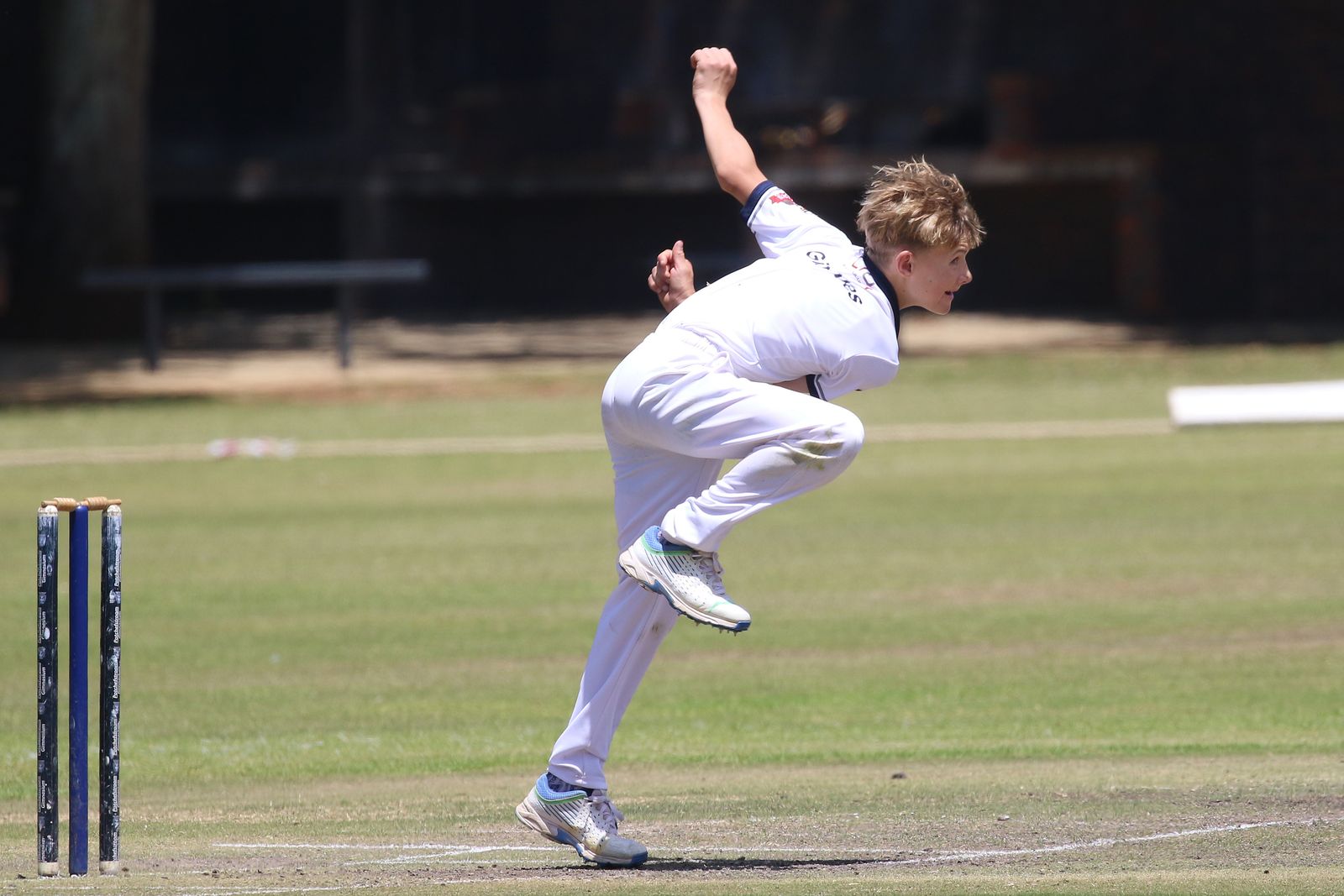
Sachindu Colombage is 28 years old, from Negombo, and until this month was best known — to the small number of people who followed Sri Lankan domestic cricket closely enough to know him at all — as a leg-spinner who had taken 69 wickets in List A cricket without ever forcing his way into the national conversation. He made his List A debut for Nondescripts Cricket Club back in March 2019, more than seven years before this England tour. What changed the picture was this year’s Lanka Premier League, where he took 10 wickets for Galle Giants at an average of 17.50 and an economy under 8 — form specific enough to earn a maiden ODI call-up ahead of Wanindu Hasaranga, a far more established name.
On his first day in international colours, Colombage finished with three wickets — Joe Root, Jos Buttler and Jamie Overton — for 44 runs, and did it on a pitch that rewarded exactly the skill he’d spent seven years building in domestic cricket nobody outside Sri Lanka was watching. Root’s wicket, in particular, was the shot the whole innings turned on.
There is a particular kind of cricket story in a legspinner turning up on debut and doing this to a top order on a helpful surface — it happens rarely enough that when it does, it tends to define how the rest of a career gets talked about. Wanindu Hasaranga, the man Colombage was picked ahead of for this tour, remains Sri Lanka’s biggest white-ball wicket-taking name of the last five years; Colombage arriving as his direct swap, on the back of a single outstanding domestic season rather than a long build-up through age-group cricket, is exactly the kind of selection call that looks either inspired or lucky depending on what happens next. One afternoon at the Riverside has made it look, for now, thoroughly inspired.
Why Root's 404-run streak picked this day to end
Root arrived at the crease in the middle of the best unbeaten run of his ODI career: 404 runs across his previous five completed ODI innings without being dismissed once, a streak that had made him the one batter in England’s order opposition bowlers genuinely feared. Colombage ended it with a delivery ESPNcricinfo’s report described as drifting in before turning away past Root’s outside edge and clipping off stump — Root out for 44, six runs short of a fifty that would have extended the streak rather than ended it.
It is also, in isolation, a perfectly good innings — 44 from a batter whose value to this England side has increasingly been about exactly this kind of situation, coming in after an early wicket and giving the innings a spine rather than trying to be the acceleration himself. The streak ending doesn’t retroactively make the 404 runs before it any less real; it just means the next number in that sequence resets to zero, on a day when almost nothing else in England’s middle and lower order managed to build an innings at all.
Brook and Jacks kept England off the floor
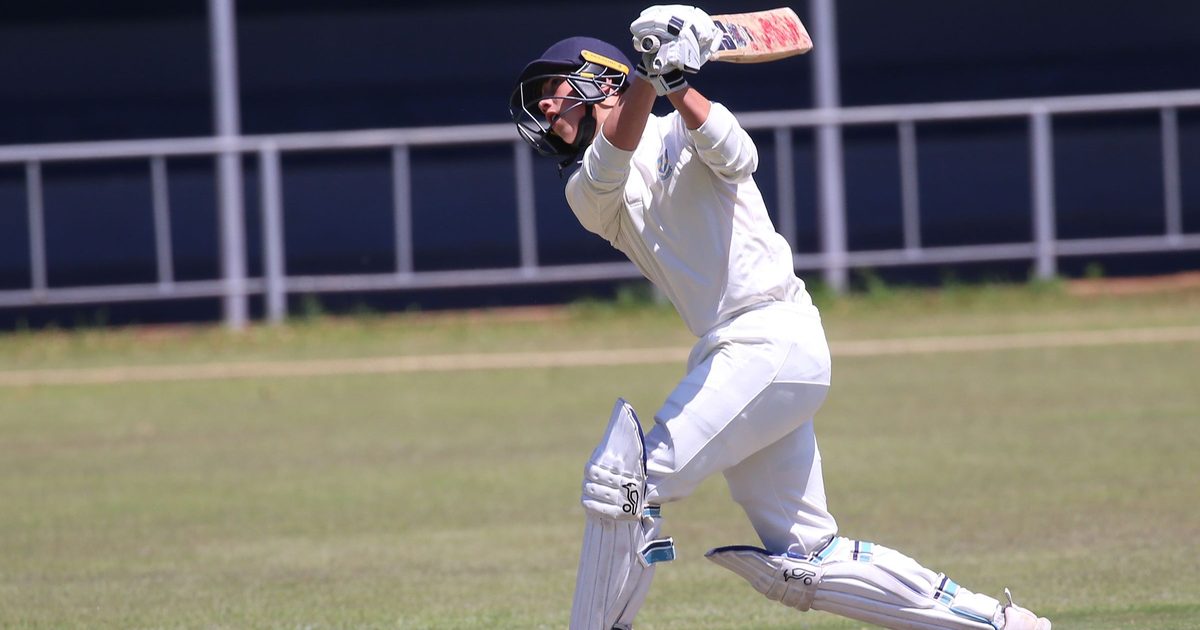
Brook’s 67 was the only innings from either side that had any real fluency to it — the product of the Root stand and then, after Root left, Brook trying to accelerate alone against an attack that had settled into exactly the discipline a tricky pitch invites. He was caught at deep backward point off Dushmantha Chameera, attempting to keep the tempo up rather than consolidate, which is the version of dismissal that looks like a mistake in isolation and looks like the correct read of the situation once you know what happened to the seven batters after him.
Will Jacks finished unbeaten on 46, the only England batter to survive the innings, and by the time Josh Tongue was bowled by Asitha Fernando to end it, four different Sri Lankan bowlers had wickets to their name and none of England’s last six batters had reached double figures. Asitha Fernando finished with three wickets of his own for 53, a genuine new-ball threat rather than a beneficiary of Colombage’s spell — the two of them combined for six of England’s ten wickets.
Where Sri Lanka's chase stands right now
Sri Lanka opened positively — 23 without loss inside five overs, with Kamindu Mendis playing some of the cleanest strokes of the day before miscuing a pull off Gus Atkinson straight to square leg for 14, caught by Ben Duckett. That wicket, at 27 for 1 in the 5.4th over, is the only one to fall so far. Pathum Nissanka, who has passed 20 in every one of his last ten ODI innings dating back to July 2025, is still there and looked comfortable early; Kusal Mendis came in at the fall of the first wicket and is finding his footing.
When England looked to play the extravagant shots, then the wickets fell. The way to go on this pitch is to build those dots.
Russel Arnold, ex-Sri Lanka all-rounder, BBC Test Match Special
That reading applied to England’s innings, but it’s clearly shaping how Sri Lanka are approaching the chase too. England’s fielders have set up accordingly — tight in the ring to cut off the single rather than protecting the boundary — and the required rate has crept from 5.43 an over after six overs to a little over 5.6 by the ninth, the kind of slow squeeze that either turns into pressure that produces a rushed shot, or gets absorbed by a batter simply prepared to accumulate. Nissanka, on the numbers coming into this match, is exactly the batter built for the second option; England’s bowlers, on the evidence of the first innings, are the attack built for the first.
| Detail | |
|---|---|
| Score | 37/1 |
| Target | 266 (229 more needed) |
| Required rate | Approx. 5.6 per over |
| Fall of wicket | Kamindu Mendis c Duckett b Atkinson, 14 (27/1, 5.4 overs) |
| At the crease | Pathum Nissanka, Kusal Mendis |
Snapshot only — this table will be replaced with the completed innings once the match ends.
Why this match matters beyond one scorecard
Context is doing a lot of work here. Sri Lanka arrived at this ODI series having just been swept 3-0 in the T20I leg of the same tour — beaten by 119 runs in the opener at Southampton, when Harry Brook made a 42-ball hundred, then chased down inside Cardiff in 12.1 overs and again in Manchester in 9.4, a run of results one preview of this series fairly called among the heaviest strings of defeats a Sri Lanka side has endured in recent memory. Three T20Is, three losses, two of them run chases England finished before the halfway mark of the innings — the kind of scoreline that makes a bowled-out-for-265-but-fighting ODI opener look, by comparison, like a genuine recovery in form.
| Match | Venue | Result |
|---|---|---|
| 1st T20I | Southampton | England won by 119 runs |
| 2nd T20I | Cardiff | England won, chasing in 12.1 overs |
| 3rd T20I | Manchester | England won, chasing in 9.4 overs |
| 1st ODI | Chester-le-Street | In progress |
T20I results as reported ahead of this ODI series; this ODI row will be completed once the match ends.
ODI cricket has arguably been Sri Lanka’s worst format over the past few years — they didn’t qualify for the most recent Champions Trophy, and England beat them 2-1 in an ODI series earlier this year, too. Against that backdrop, Sri Lankan fans would already count a competitive contest here as a result worth having, regardless of what the scoreboard eventually says — and getting a full-strength England attack under real pressure, even for one innings, is a meaningfully different afternoon than anything the T20I leg produced.
For England, this series is lower-stakes but not consequence-free: it is one of only two ODI series they’re playing this year, and a young leg-spinner from outside their own squad just did to their middle order on debut roughly what Rashid’s absence was supposed to make less likely for the bowling side, not more. Both teams are also using these matches, openly, as preparation for the 2027 ODI World Cup — which is the frame that makes Colombage’s three wickets more than a nice story for one afternoon: a genuine selection headache, arriving on the first day it was possible to have one, for a Sri Lanka side that will need several more performances like it before this format stops being described as their weakest.
What a result here actually decides
This is the first of three ODIs, so nothing at the Riverside today eliminates either side from the series — but the psychology of a 1-0 lead is not nothing, particularly for a Sri Lanka side that has spent three matches on this tour chasing games that were functionally over by the halfway mark. A competitive finish here, win or lose, is the platform a team needs before it can start believing a series win is realistic; a repeat of the T20I pattern instead would make the remaining two ODIs a formality before a ball is bowled in either of them. The Riverside itself has hosted England ODIs since it staged matches at the 2019 Cricket World Cup, and a north-east crowd that has seen England play some of their best white-ball cricket on this ground will have taken real notice of a scoreline this tight against a side many expected to be brushed aside a fourth time running.
Final Verdict (so far)
The part of this story that’s already finished is unambiguous: England were bowled out for 265 on a pitch that turned from ball one, undone by a leg-spinner playing his first international match and a middle-order collapse that turned a promising 182 for 3 into a distinctly ordinary 265 all out. Whatever else happens today, Sachindu Colombage’s debut — three wickets, Joe Root’s 404-run streak among them — is already the story of the day regardless of which team ends up winning the match it happened in.
What isn’t finished is the only thing that decides the result: whether Sri Lanka, 37 for 1 and needing 229 more, can finish a chase in the same way their bowlers started the day, or whether England’s attack turns a competitive total into a defended one on a pitch that has already shown it can do most of the work itself. We’ll have that answer, and rewrite this piece around it, before the day is out.
Frequently asked
- What was the final result of the England vs Sri Lanka 1st ODI?
- Not yet known — this article was published while Sri Lanka’s chase was still in progress (37/1 after 9 overs, chasing 266). It will be updated on this page with the final result once the match ends.
- Who is Sachindu Colombage?
- A 28-year-old Sri Lankan leg-spinner from Negombo, playing his first international match in this ODI. He had taken 69 wickets in List A cricket since his 2019 debut and was in strong recent form for Galle Giants in the 2026 Lanka Premier League (10 wickets at an average of 17.50), earning a call-up ahead of the more established Wanindu Hasaranga.
- How did Joe Root get out, and why does it matter?
- Root was bowled by Sachindu Colombage for 44, a delivery that drifted in and turned away past his outside edge to clip off stump. It ended a streak of 404 runs across his previous five completed ODI innings without being dismissed.
- Why did England collapse after being 182 for 3?
- England lost four wickets for 29 runs between the 31st and 39th overs, with Sachindu Colombage, Asitha Fernando, Dushmantha Chameera and Dilshan Madushanka sharing the wickets on a Riverside pitch that offered turn and low bounce throughout. England were eventually bowled out for 265 in 48.1 overs.
- Why wasn’t Adil Rashid playing for England?
- Rashid, England’s first-choice leg-spinner, was ruled out of the entire ODI series with injury before this match — an absence BBC’s commentary team flagged as potentially significant on a pitch that ultimately rewarded exactly his type of bowling, just from the Sri Lankan side instead.
- How has Sri Lanka’s tour of England gone so far?
- Poorly, until this match. Sri Lanka lost all three T20Is — by 119 runs at Southampton, then chased down in 12.1 overs at Cardiff and 9.4 overs at Manchester — before pushing England much closer in this first ODI.