Brent settled at its highest level since 19 May on Friday, 16 October, after touching $110 a barrel. Over the next two trading days Goldman Sachs raised its price target on Chevron to $241, the fifth increase from a major bank since early September, and Chevron closed at $224.37, within a few dollars of its 52-week high.
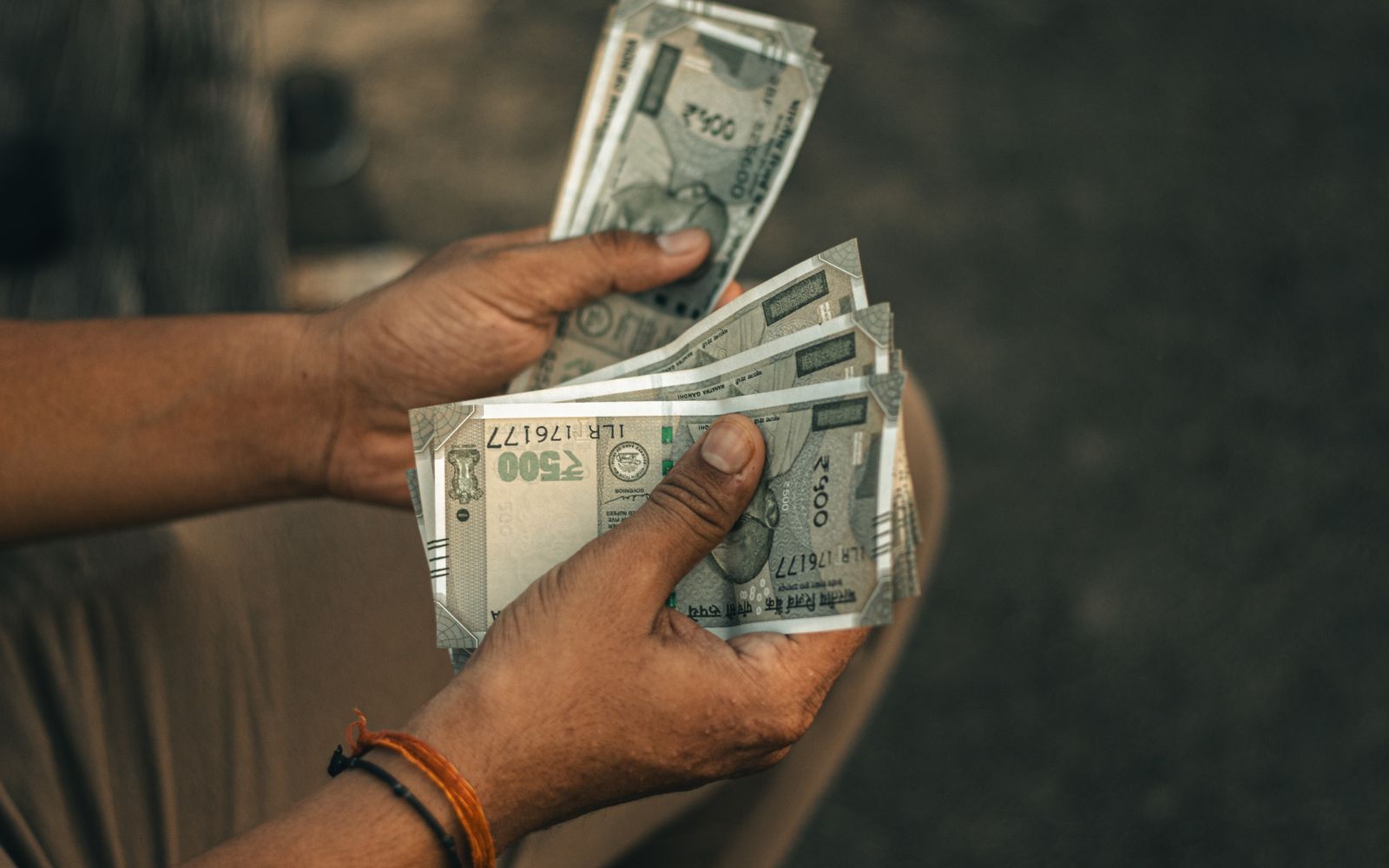
The same barrel arrives in India as a bill. Crude imports cost $15.4 billion in September, 46% more than the $10.5 billion of a year earlier, on PPAC’s provisional data. Petrol in Delhi still costs ₹102.12 a litre and diesel ₹95.20, the prices that have been on the board since May.
One barrel, two ledgers. On one it is an earnings story. On the other it is a loss being absorbed without a price change, and the two published estimates of how large that loss is sit ₹18 a litre apart.
Chevron
New York
- Brent settled at a five-month high on 16 October
- Morgan Stanley lifted its target to $226 on 15 October; Goldman Sachs to $241 on 20 October
- Five raises since 3 September: BMO, UBS, Mizuho, Morgan Stanley, Goldman
- Shares closed at $224.37 on 19 October
- Third-quarter results due 30 October
Indian Oil, BPCL, HPCL
Delhi
- The Indian crude basket averaged about $121 a barrel over the first half of October
- Petrol ₹102.12 and diesel ₹95.20, unchanged since May
- ICRA put September marketing margins at about −₹8 and −₹9 a litre
- Jefferies put mid-October losses at −₹26 and −₹30
- The RBI began selling them dollars directly from 12 October
Analyst target changes as reported by MarketBeat, TipRanks and ad-hoc-news. Crude basket figures are PPAC provisional data as published by Oilprice. Margin estimates from ICRA via Business Standard and Jefferies via ANI.
Five target raises in six weeks, all pointing one way
The case the banks are making is not complicated. Morgan Stanley’s Devin McDermott raised Chevron from $218 to $226 on 15 October and kept an Overweight rating, framing it around what the majors will say about 2027 spending plans now that oil is back near triple digits. UBS went to $235 on 8 October, Mizuho to $234 on 12 October, BMO to $235 on 3 September, and Goldman to $241 on 20 October.
One qualifier before treating that as a verdict. The raises are following the share price rather than leading it. Chevron was already at $224.37 when Morgan Stanley’s $226 landed. And the consensus itself depends on who is counting. MarketBeat puts the average target at $213.42 across 28 analysts, below the market price, with a range running from $90 to $243. StockAnalysis and Yahoo Finance both show $227.92 from 25 analysts. MarketScreener shows $229.08. The $90 figure still sitting in one provider’s set is doing most of the work in that spread.
The Delhi board has not moved since May
Indian Oil’s own price build-up for Delhi still shows ₹102.12 for petrol and ₹95.20 for diesel. Those numbers have held through a crude basket that averaged $90.19 in August, $116.09 in September and roughly $121 over the first half of October.
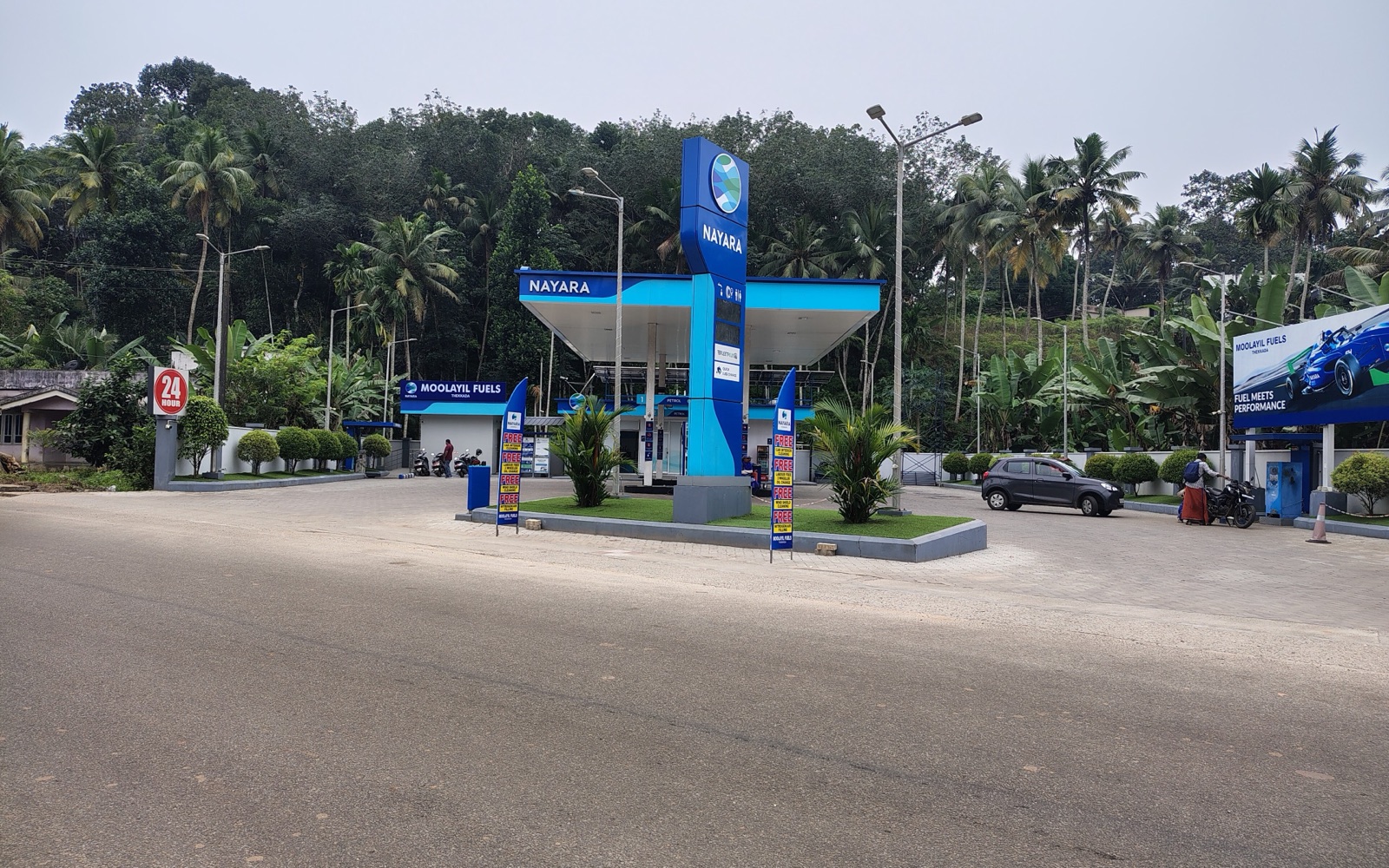
Private retailers, with no cross-subsidy and no refining scale to lean on, moved first. Nayara raised petrol by ₹5 and diesel by ₹3 across its 7,108 pumps on 3 October, the second time it has done so this year. The three state-run companies, which run more than 90% of India’s outlets, have not followed.
Why ICRA says ₹8 and Jefferies says ₹26
Both numbers were widely reported this month, usually in the same sentence, and they describe the same thing: the marketing margin on a litre of fuel. They are ₹18 apart.
Part of the gap is timing. ICRA’s estimate of about minus ₹8 on petrol and minus ₹9 on diesel, and a combined loss near ₹530 crore a day across petrol, diesel and cooking gas, was a late-September snapshot, when the basket averaged $116.09. Jefferies published on 15 October, against a basket nearer $121, and used a 15-day average price rather than a monthly one.
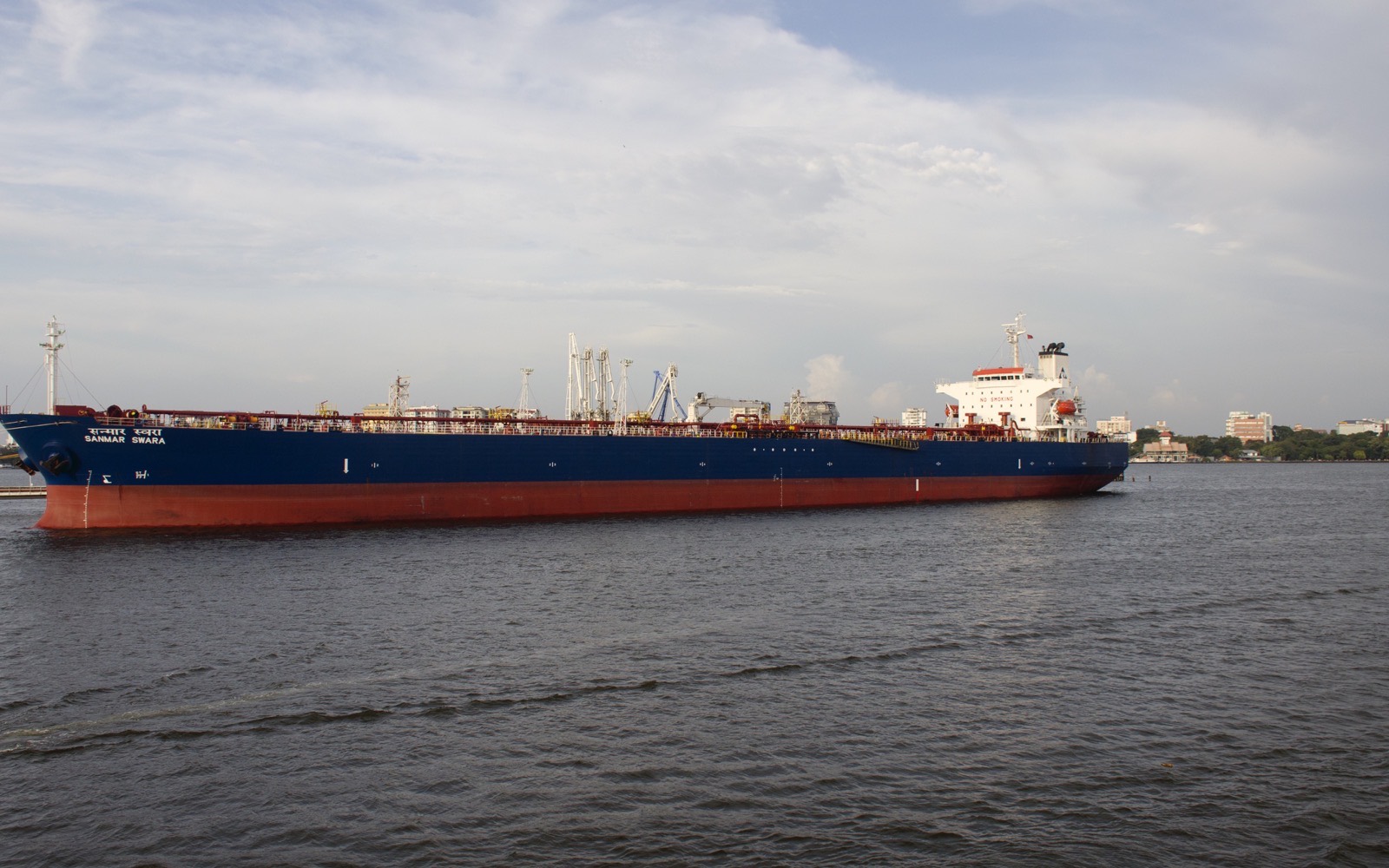
The larger part is what counts as the cost of the barrel. The Indian basket that PPAC publishes, and that almost every fuel story quotes, is a free-on-board price: the cost of crude at the loading port, before it is shipped. Jefferies was not working from that number. Its note put the procurement cost for Indian refiners at the equivalent of a $125 basket, and attributed the difference to freight, which it said had risen about eightfold since the Middle East conflict began and roughly 8% in the preceding week alone. On the same note’s account, crude flows excluding Iran had fallen to about 75% of pre-war levels, from around 95% at the end of September.
Two figures from that note were reported together and do not reconcile. If the procurement cost is $125 against a basket near $121, freight is adding about $4, roughly 3% of the landed cost. That is the share the same note gives for freight before the conflict. The note also says freight now exceeds 25% of landed cost, which against a $121 basket would imply a delivered barrel above $160, not $125. The research is not public, so what can be said is that the direction is established and the magnitude is not: one of those two figures covers a narrower case than the headline suggests, perhaps a single route or product freight rather than crude. Coverage this month has repeated both without noticing they pull against each other.
What survives the discrepancy is the structural point. The benchmark India quotes is a price at the loading port, and the cost of moving a barrel from that port has stopped being a rounding error. A basket figure that looks the same as it did two years ago no longer means the same delivered cost.
If the loss reached the pump
Neither estimate has reached a pump. Applying each to the current Delhi price is arithmetic, not a forecast, and it gives a sense of what is being held back.
| Basis | Petrol | Diesel | 40 L petrol a month | 400 L diesel a month |
|---|---|---|---|---|
| Today, unchanged since May | ₹102.12 | ₹95.20 | — | — |
| ICRA, late September (−₹8 / −₹9) | ₹110.12 | ₹104.20 | +₹320 | +₹3,600 |
| Jefferies, 15 October (−₹26 / −₹30) | ₹128.12 | ₹125.20 | +₹1,040 | +₹12,000 |
Our arithmetic on two published estimates, not a prediction of any price change. Pump prices are Indian Oil's Delhi build-up. Monthly volumes are round illustrative figures: 40 litres is a typical city hatchback, 400 litres a diesel taxi or small goods vehicle. Extra cost = litres × the per-litre estimate. Prices outside Delhi differ because of state VAT.
The 400-litre row is the one that matters for prices in general. A diesel taxi or a small goods vehicle is a cost input for vegetables, courier rates and school runs. A pass-through at the Jefferies estimate would put ₹12,000 a month onto that operator before anything else changed.
The volumes barely moved. The bill did.
The first half of FY27 cost $90.6 billion against $61.9 billion a year earlier, a rise of 46.3% on PPAC’s provisional figures. Volumes rose 0.7%. Effectively all of the increase is price, which is the cleanest available answer to whether this is a demand story or a cost story.
For scale: the September basket of $116.09 compares with $69.61 in September 2025. The same quantity of oil costs about two-thirds more than it did a year ago.
The rupee is now being defended through the oil companies
Crude is invoiced in dollars, so a higher bill means the three refiners buying more dollars on the spot market, which pushes the rupee down, which raises the rupee cost of the next cargo. From 12 October the Reserve Bank began selling dollars through designated banks directly to Indian Oil, HPCL and BPCL to cover their entire daily requirement, keeping that demand off the open market.
The rupee ended around ₹94.92 to the dollar on 19 October, after a week in which it gained close to 2%, its strongest since March, having earlier weakened towards ₹96.96. That is a second subsidy running alongside the frozen pump price, and it sits on the central bank’s balance sheet rather than the oil companies’.
Both ledgers report within a fortnight
Chevron publishes third-quarter results on 30 October, with analysts expecting about $4.73 a share on roughly $58.4 billion of revenue. Indian Oil, BPCL and HPCL report their September-quarter numbers over the following weeks, and their marketing segment results will settle which of the two loss estimates was nearer.
Two things could move the barrel before then. The executive order of 16 October waiving some US sanctions and tariffs on Russia knocked about 2% off Brent on 19 October on the prospect of more Russian export volume. Secretary of State Marco Rubio has said the administration may take up to 60 days to weigh the consequences, so the waiver is not yet a settled supply change. Against it, attacks on shipping in the Gulf of Oman are what pushed freight to its current level, and they are the reason the delivered cost of a barrel has drifted away from the published price of one.
Frequently asked
- Why have petrol and diesel prices not risen if crude is near $110?
- Indian Oil, BPCL and HPCL have left prices unchanged since May and are absorbing the difference. Indian Oil’s Delhi build-up still shows ₹102.12 for petrol and ₹95.20 for diesel. ICRA estimated in late September that the three were losing about ₹530 crore a day across petrol, diesel and cooking gas.
- How much are the oil companies losing on each litre?
- The two published estimates differ. ICRA put marketing margins at about −₹8 a litre on petrol and −₹9 on diesel in late September. Jefferies put them at −₹26 and −₹30 on 15 October, using a 15-day average price and a delivered cost of crude rather than the loading-port price PPAC publishes.
- What is the Indian crude basket, and why does it understate what refiners pay?
- It is a weighted average of Brent and Oman-Dubai grades priced free-on-board, meaning at the loading port before shipping. Freight is not in it. Jefferies reported freight up roughly eightfold since the Middle East conflict began, so the gap between the published basket price and the delivered cost of a barrel has widened.