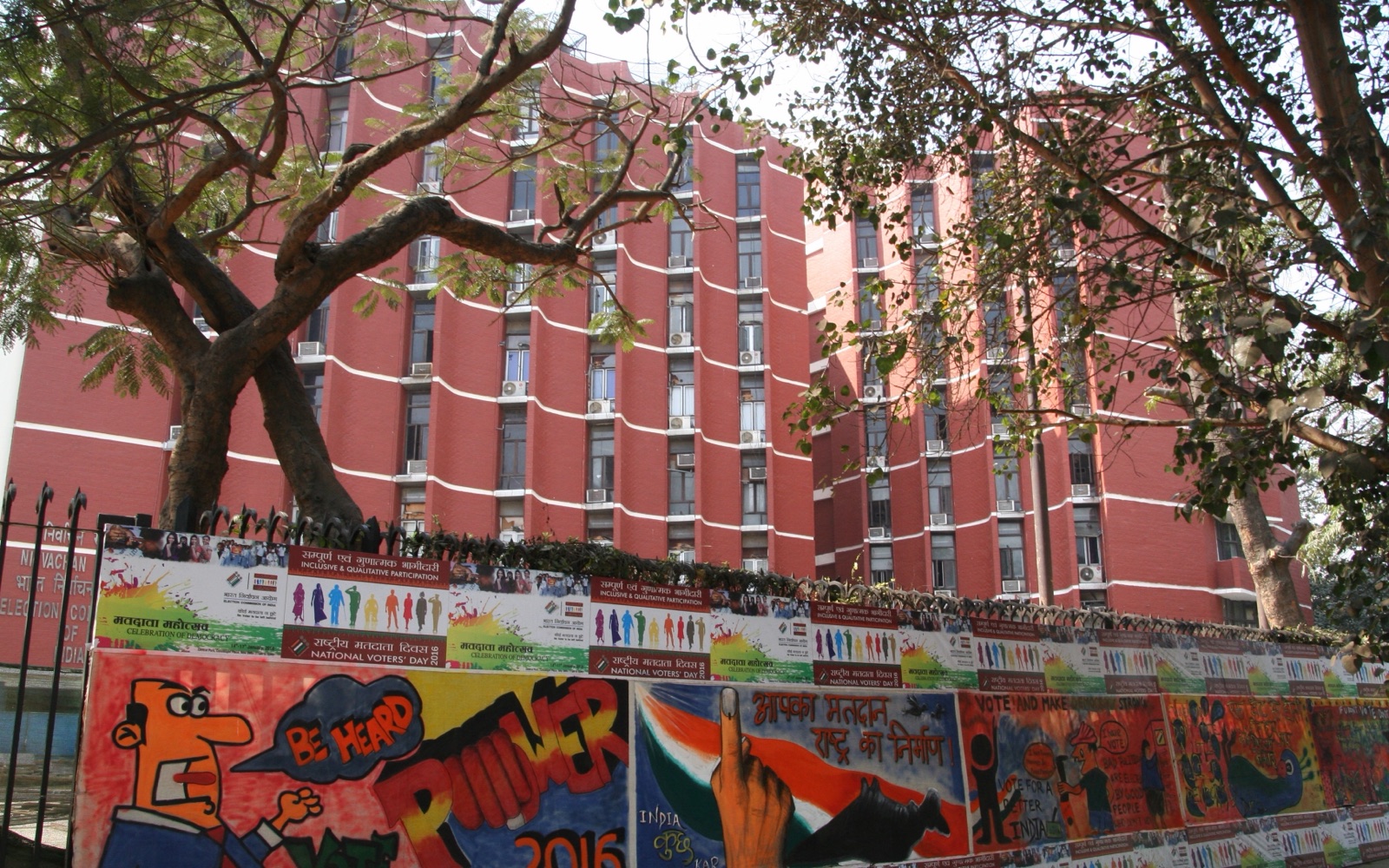
The Cockroach Janta Party plans to hold a protest at Jantar Mantar in New Delhi on Saturday, 10 October, demanding the removal of Chief Election Commissioner Gyanesh Kumar. As of Wednesday, Delhi Police had not granted permission, and a prohibitory order under section 163 of the Bharatiya Nagarik Suraksha Sanhita was in force in the New Delhi area, Aaj Tak reported.
“This will not just be a CJP protest, but a Gen-Z protest,” the group’s spokesperson Saurav Das said, according to Aaj Tak. Whether the gathering goes ahead, and on what terms, now depends on the police.
What is on the record
- On 7 October, Das handed a formal letter about the protest to the Parliament Street police station, ETV Bharat reported. Police acknowledged it and took an undertaking from the organisers.
- Permission had not been granted by the time of Aaj Tak’s report the same day, and a section 163 order restricting gatherings was in force in New Delhi.
- The group lists four demands, according to The Daily Jagran: Kumar’s resignation, an investigation and arrests over what it calls illegal decisions in the Special Intensive Revision (SIR) of voter rolls, reform of the Election Commission, and a freeze on the SIR.
- Its earlier protests in Delhi in July ended in tear gas and a lathi charge, with several people injured and 13 FIRs registered, Aaj Tak reported.
Who the CJP are
The Cockroach Janta Party is a satirical youth movement founded online on 16 May 2026 by the political communications strategist Abhijeet Dipke. Its name answered a remark by Chief Justice Surya Kant the day before, comparing some unemployed young people and activists to “cockroaches”, which he later said had been misread. It is not registered with the Election Commission. Its protests over the NEET exam irregularities earlier this year came before the resignation of the education minister, Dharmendra Pradhan, on 25 July.
What is claimed, and by whom
The CJP says the protest is about “theft of votes” and the “hijacking of elections”, and about young voters being left off the rolls, ETV Bharat reported. These are the group’s allegations. “Even if Gyanesh Kumar resigns, we will not bow down. We want proper reforms in the Election Commission,” Das said, according to The Daily Jagran.
In Maharashtra, Dipke accused the state police of issuing notices to CJP members in Chandrapur district to discourage them from attending, and asked whether Chief Minister Devendra Fadnavis was trying to be “Yogi Adityanath 2.0”, ThePrint reported on 6 October.
The Election Commission, responding last month to reports of disagreement among its members over recent decisions, said “differing views and observations were a normal part of institutional deliberations” and that its orders followed established procedure, The Week reported. Kumar has not resigned.
Can a protest remove a Chief Election Commissioner?
Not directly. Article 324(5) of the Constitution says the Chief Election Commissioner “shall not be removed from his office except in like manner and on the like grounds as a Judge of the Supreme Court.” The 2023 law on the appointment of election commissioners repeats this.
For a Supreme Court judge, that means proved misbehaviour or incapacity, a notice of motion signed by at least 100 Lok Sabha members or 50 Rajya Sabha members, admission of that notice by the Speaker or Chairman, an inquiry, and then a vote in both Houses by a majority of the total membership and two-thirds of those present and voting. Only then can the President order the removal. A resignation is the officeholder’s own choice. A protest can add pressure to either route, but it cannot substitute for one.
Three attempts so far
| When | What happened | Status |
|---|---|---|
| April 2026 | Opposition notice of motion for removal | Not admitted: the Rajya Sabha Chairman and Lok Sabha Speaker refused it on 7 April |
| 24 April 2026 | Fresh notice signed by 73 opposition MPs, in the Rajya Sabha | Pending, as of 24 September |
| Late September 2026 | Third notice being drafted for both Houses | Not yet reported as submitted |
| 10 October 2026 | CJP protest at Jantar Mantar | Planned; permission pending on 7 October |
Sources: All India Radio (7 April 2026); The Week (24 September 2026); Aaj Tak and ETV Bharat (7 October 2026).
What a section 163 order means for Saturday
Section 163 of the BNSS, which replaced section 144 of the old Criminal Procedure Code in July 2024, lets a district or executive magistrate issue an urgent written order to prevent a nuisance or an apprehended danger to public peace. In practice such orders restrict gatherings in a defined area, usually for up to two months at a time. Protests can still be held where the police permit them.
Jantar Mantar has a particular legal history here. In July 2018, in Mazdoor Kisan Shakti Sangathan v Union of India, the Supreme Court held that there cannot be a complete ban on protests at Jantar Mantar and directed the police to frame guidelines regulating them instead. The police can set the time, place and manner, including numbers. What they cannot do, under that ruling, is make protest there impossible.
What to watch
The first thing is the permission itself: whether Delhi Police allows the protest, and with what limits on numbers and timing. The second is the third removal notice in Parliament, which would need 100 Lok Sabha or 50 Rajya Sabha signatures and then admission by the presiding officer, the step at which the April notice failed. Whatever happens at Jantar Mantar, that is where any change at the top of the Election Commission would have to come from.