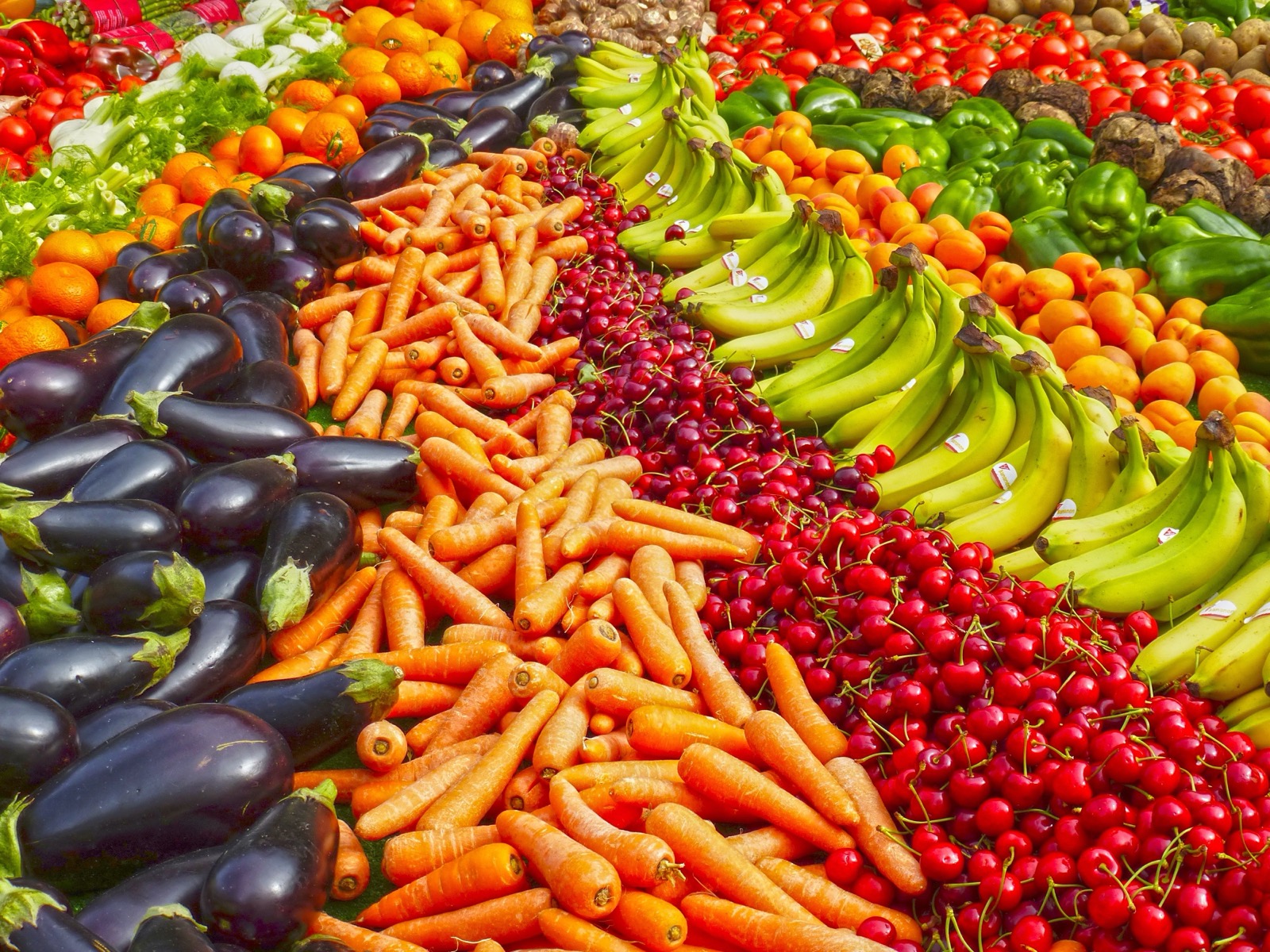
Fibermaxxing is what happens when a TikTok wellness trend and an actual, decades-old public health gap turn out to be pointing at the same problem. The trend itself is simple to describe: instead of quietly trying to eat “enough” fiber, people are treating it like a target to maximize, deliberately stacking chia seeds, lentils, oats and vegetables into every meal to push daily intake well past standard recommendations — commonly into the 40–50g range, with some going further. What makes fibermaxxing worth taking seriously rather than dismissing as another wellness fad is that the gap it’s reacting to is not made up, and neither is the biology behind why closing it matters.
The gap fibermaxxing is actually reacting to
Before asking whether fibermaxxing works, it’s worth establishing what it’s responding to: how far short of official recommendations most people actually fall. The numbers converge in an unusual way across four separate national health authorities.
| Authority | Recommended intake | Measured average intake | Shortfall |
|---|---|---|---|
| USDA Dietary Guidelines for Americans, 2020–2025 | 22–34g/day (14g per 1,000 kcal) | Over 90% of women and 97% of men fall short | Roughly 50%, per the Guidelines’ own gap analysis |
| NHS (UK) | 30g/day | ~20g/day for adults; ~16g/day for ages 11–18 | ~33% below target for adults |
| DGE (Germany) / Nationale Verzehrsstudie II | 30g/day | 18g/day women, 19g/day men | ~37–40% below target |
| ICMR-NIN (India), RDA 2020 | 30g per 2,000 kcal | Not centrally published in a single comparable figure | Not directly computable from available data |
India's ICMR-NIN sets the same 30g standard as the UK and Germany, but does not publish a single national average-intake figure comparable to the UK/German surveys, so a shortfall percentage cannot be responsibly computed for India from what's publicly available — left blank rather than estimated.
That is a genuinely striking pattern: the US, UK and Germany all land on almost the same target — roughly 30g a day — and in the two countries with directly comparable survey data, actual intake sits at close to half of it. Fibermaxxing’s core premise, stripped of the TikTok packaging, is simply that this gap is large and worth closing deliberately rather than accidentally.
The science: why fiber does more than "help digestion"
The World Gastroenterology Organisation’s own explainer on fibermaxxing describes the mechanism plainly: fiber that survives digestion reaches the colon, where resident gut bacteria ferment it into short-chain fatty acids (SCFAs), chiefly butyrate, propionate and acetate. These SCFAs, in the WGO’s words, “strengthen the gut lining, reduce inflammation, support immune regulation, and even influence gene expression” connected to metabolism and cancer prevention.
Butyrate specifically is not a minor player. Peer-reviewed research on colon-cell metabolism has found that colonocytes — the cells lining the colon — have adapted to use butyrate as their dominant fuel source, accounting for roughly 70% of the ATP (cellular energy) they produce. That is not a wellness-influencer talking point; it is a consistent finding across multiple in vitro studies of colon-cell energy metabolism. Fiber, by this mechanism, is not just bulk that moves through the gut — it is the raw material the colon’s own cells run on.
The study actually being cited as evidence
Much of fibermaxxing’s credibility with nutritionists traces back to a specific, real piece of research: a study published 16 May 2025 in JAMA Network Open, run out of the Jean Mayer USDA Human Nutrition Research Center on Aging at Tufts University alongside Harvard T.H. Chan School of Public Health. Researchers tracked more than 47,000 women from the Nurses’ Health Study across roughly three decades, examining what their carbohydrate and fiber intake in midlife predicted about how they aged.
| Measure | Finding |
|---|---|
| Study size and duration | 47,000+ women tracked across ~3 decades |
| Higher midlife fiber and high-quality carbohydrate intake | Associated with 6–37% greater likelihood of healthy aging |
| Higher refined carbohydrate intake | Associated with roughly 13% lower likelihood of healthy aging |
| "Healthy aging" definition used | Absence of 11 major chronic diseases, no major cognitive or physical impairment, and good mental health |
That is an association from observational data, not a randomized controlled trial proving fiber causes healthy aging — a distinction worth holding onto, because the study itself doesn’t claim causation either. But a 6–37% swing in the odds of reaching old age without major chronic disease, cognitive decline or physical impairment, from a cohort of this size followed for this long, is a substantially stronger evidence base than most viral health trends ever get.
What dietitians actually say the benefits are
Registered dietitians covering the trend for mainstream health outlets have been unusually consistent in treating fibermaxxing’s core premise as sound, if oversold in its most extreme TikTok forms. Kara Landau, a registered dietitian with Gut Feeling Consultancy and nutrition advisor to the Global Prebiotic Association, and Dahlia Marin, a registered dietitian and CEO at Married to Health, both list the same cluster of benefits tied to adequate fiber intake: regularity and healthy bowel function, better blood sugar and cholesterol management, support for weight management, and lower long-term risk of type 2 diabetes, heart disease and colorectal cancer.
The colorectal cancer point deserves its own line, because it is where the trend intersects with a genuinely alarming public health trend: rates of early-onset colorectal cancer, in adults under 50, have been rising, and higher fiber intake is one of the factors associated with lower risk in the epidemiological literature dietitians point to. That is an association, not a guarantee for any individual — but it is a real part of why this particular trend has drawn cautious professional support rather than the usual eye-rolling reserved for TikTok nutrition advice.
Not all fibers behave identically — in inflammatory bowel disease, some fibers may exacerbate symptoms while others promote healing.
Where it goes wrong: the risks dietitians flag
Even for people without a diagnosed condition, the WGO and the dietitians covering this trend converge on the same practical ceiling: increasing daily fiber by more than roughly 5g at a time risks bloating, gas and digestive discomfort, because the gut microbiome needs real time — typically weeks, not days — to adapt its fermentation capacity to a higher fiber load. Adequate water intake alongside the increase matters for the same reason: fiber without enough fluid intake is a common, avoidable cause of the exact symptoms that make people abandon a higher-fiber diet after a rough first week.
There is also a formulation problem dietitians specifically call out: isolated fiber additives — soluble corn fiber, chicory root inulin, polydextrose, the ingredients used to boost the “fiber” line on a protein bar or a fortified snack — are not treated as equivalent to fiber from whole foods. They can still cause the same bloating risk in excess, without necessarily delivering the same diversity of fermentation byproducts a varied, whole-food fiber intake produces.
Why the food industry is moving fast on this
Fibermaxxing isn’t only a consumer-driven trend; it is also being actively read as a commercial signal. Datassential, a food and beverage industry research firm, named fiber a top health trend in its 2026 Food & Beverage Trends report, citing that 60% of Gen Z consumers say they are interested in foods and beverages that are high in fiber — notably higher than general-population interest in the same report. That is precisely the kind of data point that explains why grocery shelves are suddenly full of fiber call-outs on packaging that never used to mention it.
What actually closing the gap looks like, in food
The arithmetic behind fibermaxxing is more approachable than the 40–50g targets on TikTok suggest. Most people are roughly 10–12g a day short of the ~30g standard shared by the US, UK, Germany and India — and a small number of whole-food servings closes most of that gap without needing to hit an extreme daily total.
| Food | Serving | Fiber |
|---|---|---|
| Split peas, cooked | 1 cup | 16.3g |
| Lentils, cooked | 1 cup | 16g |
| Black beans, cooked | 1 cup | 15g |
| Avocado | 1 whole fruit | ~10g |
| Chia seeds | 1 oz (~28g) | 10.6g |
| Oats | 100g | 10.6g |
| Raspberries | 1 cup | 8g |
Values are approximate, per USDA FoodData Central; actual fiber content varies by variety, ripeness and preparation. A single cup of cooked lentils plus a cup of raspberries already covers about 24g — most of an entire day's 30g target from two whole-food servings.
That single computation is the strongest practical argument for taking fibermaxxing’s underlying goal seriously without adopting its most extreme form: closing the actual, measured gap between average intake and official targets does not require a 50g-a-day regimen assembled from fortified bars and fiber supplements. It requires roughly two to three whole-food servings most people are already several bites away from eating anyway.
So does fibermaxxing actually work?
The honest answer has two parts, and they don’t contradict each other. Yes, more fiber than most people currently eat is genuinely, mechanistically and epidemiologically linked to better gut and metabolic health — that part of fibermaxxing is not hype, it is a TikTok trend that happens to have landed on real, underlying science and a real, measurable public health gap. No, the most extreme version of the trend — racing to 50–60g a day as fast as possible, from whatever source is easiest to stack into a meal — is not what the dietitians and gastroenterologists actually covering it are recommending, and it is the version most likely to produce the bloating and digestive distress that gets a trend abandoned within a month.
Final verdict
Fibermaxxing earns something most viral nutrition trends don’t: qualified support from the professionals who study this for a living, because the gap it targets is real and measured the same way across the US, UK and Germany, and the mechanism it leans on — short-chain fatty acids like butyrate fueling the colon’s own cells — is established, peer-reviewed biology rather than an influencer’s theory. A 47,000-woman, three-decade study gives it more direct evidence than almost any other trend circulating on the same platforms right now.
Our read: treat the underlying goal — closing a roughly 10–12g daily gap between what most people eat and what every major dietary authority recommends — as legitimately worth pursuing. Treat the “more is always better, as fast as possible” version of the trend as the part that isn’t supported by the same evidence, and the part most likely to backfire. The version of fibermaxxing worth doing looks less like a TikTok challenge and more like what the World Gastroenterology Organisation actually recommends: gradual, diverse, and personalised to what your own gut can handle.
Frequently asked
- What is fibermaxxing?
- A TikTok-driven wellness trend of deliberately maximizing daily fiber intake, commonly to 40–50g or more, well above standard recommendations of around 30g a day. It emerged as a reaction to a real, measured gap between official fiber targets and actual average intake in several countries.
- Does fibermaxxing actually work?
- The underlying goal — closing the gap between roughly 30g recommended and roughly 18–20g actually eaten — is backed by real science: a 2025 JAMA Network Open study of 47,000+ women found higher midlife fiber intake linked to a 6–37% greater likelihood of healthy aging, and gut bacteria ferment fiber into short-chain fatty acids that fuel colon cells directly. The most extreme version of the trend — racing to 50g+ a day as fast as possible — is not what dietitians recommend and risks bloating and digestive distress.
- How much fiber do I actually need per day?
- US guidelines recommend 22–34g/day depending on age and sex. The UK’s NHS and Germany’s DGE both recommend 30g/day. India’s ICMR-NIN sets 30g per 2,000 kcal. Actual average intake in the UK and Germany, where directly comparable survey data exists, is roughly 18–20g/day — well under target.
- Who should be careful about increasing fiber quickly?
- Dietitians covering the trend specifically flag people over 50, those with short bowel syndrome or pelvic prolapse, and anyone with IBS, SIBO or inflammatory bowel disease as groups who should increase fiber under medical guidance rather than follow general social media advice, since a rapid increase can worsen symptoms.
- What foods give the most fiber per serving?
- Per USDA FoodData Central, cooked split peas (16.3g/cup), cooked lentils (16g/cup) and cooked black beans (15g/cup) are among the highest whole-food sources. A single cup of cooked lentils plus a cup of raspberries (8g) already covers about 24g — most of a full day’s 30g target from two servings.